Source dog collar and tracker holder for Pets, Kids, and Elderly
Compare 30 listings for dog collar and tracker holder options featuring ABS, silicone, and shockproof designs. Buyers can review specifications like GPS tracking, 4G connectivity, and battery life from manufacturers in Guangdong and Shenzhen.
Key considerations
Products List








Comprehensive Sourcing Guide
Strategic Sourcing Guide for Dog Collar and Tracker Holders
Understanding Product Variants and Core Specifications
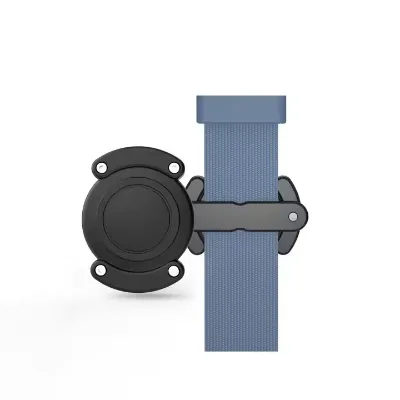
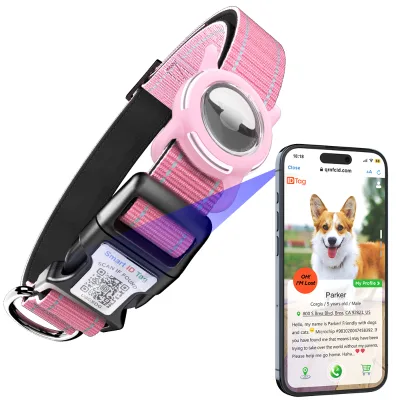
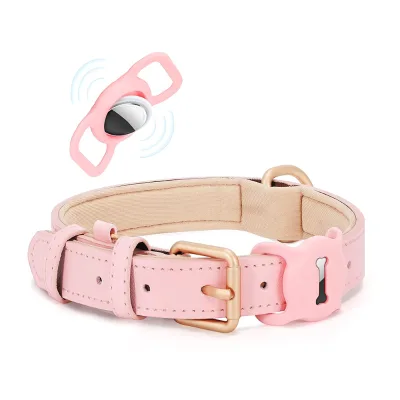
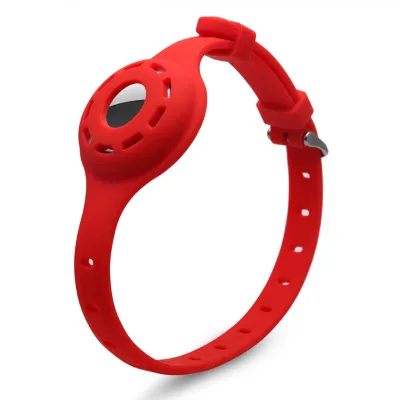
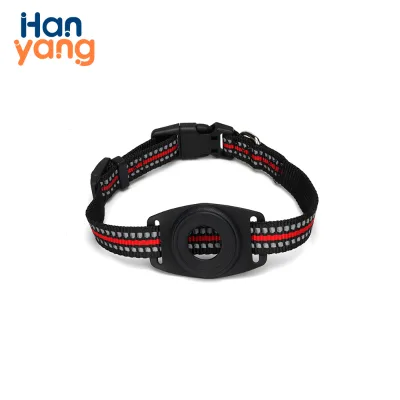
The market for dog collar and tracker holders presents a distinct bifurcation between passive accessories and active electronic tracking devices. Buyers must first distinguish between these categories, as the technical specifications, compliance requirements, and cost structures differ significantly. The passive category typically consists of holders designed to secure external tracking beacons, such as Apple AirTags, to a pet's collar. These products are characterized by their material composition, which often involves a blend of ABS and PC plastics or silicone. The structural integrity of these holders relies on features like shockproofing, anti-lost mechanisms, and dust resistance to ensure the device remains secure during active movement. Dimensions for these batches are frequently compact, with package sizes observed around 6.5 x 3.5 x 1.2 cm and gross weights near 0.150 kg per batch.
In contrast, the active electronic category integrates the tracking technology directly into the collar unit. These devices are more complex, featuring built-in batteries, such as 3.7V 500mAh or larger 3,000mAh lithium batteries, and specific networking capabilities including 4G and 2.4GHz WiFi. The positioning methods for these active units often rely on dual-band sub-meter GPS combined with 4G networks to ensure real-time location data. Technical specifications for these advanced units may include a master chip like the Rk1103bg2, an image sensor such as the Sc200ai, and a 2.8mm/F2.0 lens capable of 2MP resolution. The physical dimensions for these active units are generally standardized, with some models adhering to a 40 x 40 x 15 mm form factor. Buyers must carefully review the "Applicable Object" attribute, which ranges from general pets to specific applications like kids, women, or the elderly, indicating the versatility of the tracking hardware beyond just canine use.
Compliance and Certification Verification
When sourcing dog collar and tracker holders, verifying compliance with international safety and environmental standards is paramount. For electronic tracking devices, certifications such as CE and RoHS are critical indicators of adherence to European safety, health, and environmental protection requirements. These certifications ensure that the product does not exceed limits on hazardous substances and meets electromagnetic compatibility standards. The presence of a "1 Year Warranty" on many listed products suggests a baseline expectation of durability and manufacturer support, which should be explicitly confirmed in the contract.
Buyers should also scrutinize the "Product Standard" attributes provided by suppliers. While some listings reference specific dimensions like 40 x 40 x 15 mm, these are often design specifications rather than formal industry standards. It is essential to verify if the product meets specific regional safety standards for pet accessories, which may include flammability tests for materials and toxicity tests for plastics and silicones. For the electronic components, particularly those involving 4G and GPS functionality, buyers must ensure the device complies with telecommunications regulations in the destination market. The "IP66" waterproof rating mentioned in some specifications is a significant technical claim that requires validation through independent testing reports to confirm the device's resistance to dust and powerful water jets, a crucial feature for outdoor pet applications.
Cost Drivers and Pricing Dynamics
The pricing structure for dog collar and tracker holders is heavily influenced by the complexity of the technology integrated into the product. The observed price range in the market spans from $0.51 to $93.73, reflecting the vast difference between a simple silicone AirTag holder and a fully integrated 4G GPS tracker with camera capabilities. The lower end of the spectrum typically covers passive accessories made from ABS+PC or silicone, where the primary cost drivers are raw material prices and molding complexity. These items often have low minimum order quantities (MOQs), ranging from 2 to 1000 units, allowing for flexible purchasing strategies for small businesses or individual resellers.
Conversely, the higher price points are driven by the inclusion of advanced electronics, including the Master Chip, image sensors, and battery capacity. The cost of the 3,000mAh lithium battery and the 4G/2.4GHz WiFi networking modules significantly increases the unit cost. Additionally, customization options such as personalized logos and specific color variations (e.g., Black/White or custom colors) can impact the final price. The "Selling Units" attribute, which often requires orders in multiples of 5, adds a layer of complexity to cost planning, as buyers must account for these batch increments when calculating total inventory costs. The "Gross weight per batch" and "Package size" also influence shipping costs, which can be a substantial hidden cost driver for international procurement, particularly for heavier electronic units compared to lightweight plastic holders.
Typical Applications and Use Cases
The application scope for dog collar and tracker holders extends beyond simple pet identification. While the primary function is "Asset Tracking" for pets, the technology is increasingly being adapted for broader safety applications. The "Application" attribute frequently lists "Kids, Women, Elderly Safety," indicating that the same tracking technology used for pets is being repurposed for vulnerable human populations. This cross-application capability suggests that the underlying GPS and 4G modules are versatile enough to support various personal safety needs.
For pet owners, the specific use cases include home monitoring, training assistance, and outdoor safety. Active trackers with "Home Mode & Training Mode" functionalities allow owners to monitor their pets' location within a defined area or receive alerts when the pet leaves a safe zone. The "Break Away" closure type is a critical safety feature for collars, designed to release under tension to prevent strangulation if the pet gets caught on an object. This feature is particularly relevant for dogs that roam freely or engage in rough play. The "2-Way Intercom" audio feature found in some advanced models adds a layer of interaction, allowing owners to communicate with their pets remotely, which is useful for calming anxious animals or giving commands. The "Adjustable" size attribute ensures that the collar can fit various breeds, from small dogs to large breeds, enhancing the product's marketability across different segments.
Supplier Evaluation and Customization Capabilities
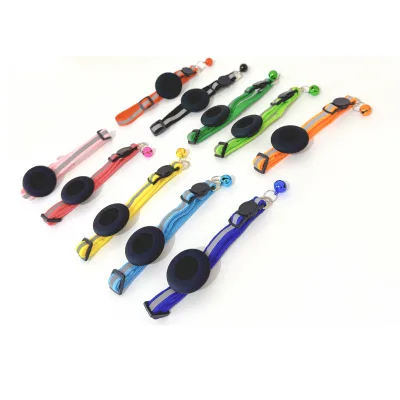
Evaluating suppliers for dog collar and tracker holders requires a focus on their manufacturing capabilities and customization flexibility. Many suppliers offer "Customized Logo" services, which is a standard expectation for B2B buyers looking to build their own brand. The ability to customize the product extends to color options, with listings showing "as pic" or specific color choices like Black. Buyers should verify the supplier's capacity to handle "Personalized" requests, which may involve custom packaging or specific product configurations.
The "Place of Origin" is a key factor in supplier evaluation, with Guangdong and Shenzhen, China, being prominent manufacturing hubs. These regions have established supply chains for both plastic molding and electronic assembly, which can lead to competitive pricing and faster lead times. However, buyers must verify the specific factory capabilities rather than relying solely on the general region. The "Condition" of the product is listed as "New," but buyers should request samples to verify the quality of the "Opp Bag" or "Carton" packing materials. The "Rechargeable Battery" specifications, such as the 3.7V 500mAh or 3,000mAh options, should be validated to ensure they meet the performance expectations for the intended use case. Suppliers should also demonstrate their ability to provide "Fast Charging" solutions, such as DC 5V/3A magnetic charging, which is a desirable feature for user convenience.
Quality Control and Long-Term Procurement Considerations
Implementing a robust quality control (QC) process is essential for mitigating risks associated with sourcing dog collar and tracker holders. Given the diversity of products, from simple plastic holders to complex electronic devices, QC protocols must be tailored to the specific item. For passive holders, inspections should focus on material integrity, ensuring the ABS+PC or silicone components are free from defects and that the "shockproof" and "anti-dust" claims are substantiated. For electronic units, QC must include functional testing of the GPS, 4G connectivity, and battery life. The "IP66" waterproof rating requires specific water immersion testing to verify the seal integrity.
Long-term procurement considerations involve establishing a reliable supply chain that can scale with demand. The "MOQ" range of 2 to 1000 units offers flexibility, but buyers should negotiate volume-based pricing tiers to optimize costs as order quantities increase. The "1 Year Warranty" is a standard offering, but buyers should clarify the terms of service, including the process for returns and replacements. The "Network System" and "Positioning Method" are critical for long-term usability, as these technologies evolve rapidly. Buyers should ensure that the supplier can support firmware updates or hardware upgrades to maintain compatibility with the "Companioneye" app or other control platforms. Finally, the "Master Chip" and "Image Sensor" specifications should be reviewed to ensure they are not obsolete, as this impacts the device's performance and longevity in the market.
Comparative Analysis of Product Attributes
To facilitate decision-making, the following table summarizes the key differences between passive and active dog collar and tracker holder variants based on the observed data.
| Attribute | Passive Tracker Holder | Active Electronic Tracker |
|---|---|---|
| Primary Material | ABS+PC, Silicone | ABS, Electronic Components |
| Battery | None (Passive) | 3.7V 500mAh or 3,000mAh Lithium |
| Networking | None | 4G, 2.4GHz WiFi |
| Positioning | Relies on external device (e.g., AirTag) | GPS + 4G, Dual-Band Sub-Meter |
| Weight | ~0.150 KG (Gross) | ~27.57g (Net) |
| Waterproof Rating | Not Specified | IP66 |
| Key Features | Shockproof, Anti-lost, Anti-dust | 2-Way Intercom, Camera, App Control |
| Typical Price Range | Lower end ($0.51 - $10) | Higher end ($20 - $93.73) |
| Customization | Logo, Color | Logo, Color, App Branding |
This comparison highlights the distinct value propositions of each product type. Passive holders offer a cost-effective solution for basic tracking needs, relying on the ecosystem of external devices like AirTags. Active trackers provide a comprehensive solution with integrated hardware, suitable for users requiring real-time data, video capabilities, and advanced safety features. Buyers must align their procurement strategy with their specific customer needs, balancing cost, functionality, and technical requirements. By carefully evaluating the specifications, certifications, and supplier capabilities outlined in this guide, buyers can make informed decisions that ensure product quality and market success.
FAQs
What materials are used for dog collar and tracker holders?
These holders typically use ABS+PC plastic or silicone materials. The selection depends on whether the product is a passive AirTag holder or an active electronic tracker, with passive versions often combining ABS and PC for durability.
Which certifications should I verify for electronic pet trackers?
Electronic devices should carry CE and RoHS certifications to ensure compliance with safety and environmental standards. These marks confirm the product meets specific electromagnetic and hazardous substance limits required for international markets.
How do I choose between passive and active tracking solutions?
Passive holders secure external devices like AirTags, while active units integrate GPS and 4G modules directly. Active trackers offer real-time positioning and camera features, whereas passive holders rely on the connected device for location data.
Can these products support customization for my brand?
Yes, many suppliers offer customized logos and color options for both passive and active units. Buyers can request personalized branding and specific packaging configurations to align with their unique business requirements and target audience.
What is the typical waterproof rating for active trackers?
Active electronic trackers often feature an IP66 waterproof rating to resist dust and powerful water jets. This specification ensures the device remains functional during outdoor activities and exposure to various weather conditions.
Where are these products typically manufactured?
Manufacturing origins are primarily located in Guangdong and Shenzhen, China. These regions provide established supply chains for both plastic molding and electronic assembly, supporting competitive pricing and efficient production capabilities.